Getting Influenced Is Becoming Harmful
Published by Dr. S. PON SHYLAJA, Ph.D. | PSYCHOLOGIST
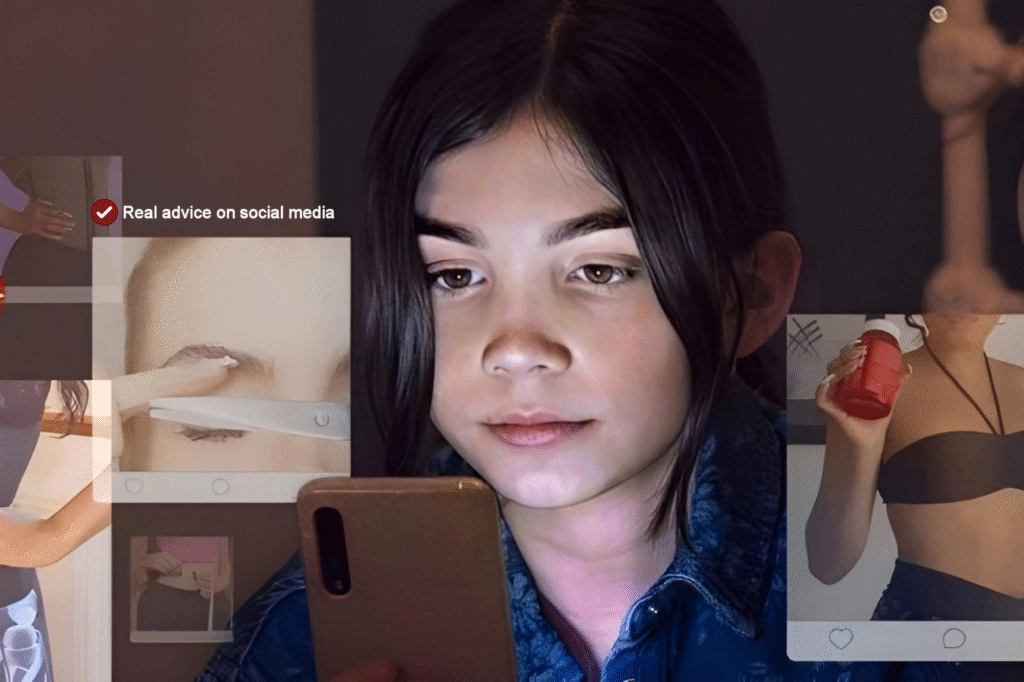
How amazing does it feel when your favorite Instagram influencer shares a glimpse of their perfect morning? They’re glowing, energized, with a coffee in one hand and a to-do list in the other. Their skin looks flawless, their smile is bright, and they’re juggling work, fitness, and hobbies like it’s no big deal. You watch, you admire – and maybe you think, “I want to live like them”.
Now, take a moment to look around your home. How many products – skincare items, hairstyling tools, gadgets – sit on your shelves, bought not because you needed them but because they were rated highly, hyped widely, or recommended by someone you trust online? Maybe you no longer remember who suggested them, but they’ve found a place in your life.
Not very long ago, advertising was a different animal. It was straightforward, visible – TV commercials aired at specific times, billboards stood tall on streets, magazines carried their messages. These forms demanded attention but also – importantly – gave us space to reflect before deciding. The message was clear, and the influence was external.
Today, the landscape has dramatically changed. Advertising is no longer confined to explicit, standalone promotions. It has become integrated seamlessly into our social lives. It lives inside social media platforms, disguised as casual posts, stories, peer recommendations, and influencer narratives. The boundary between genuine advice and marketing blur into near invisibility.
This shift raises a fundamental question: Has this constant flow of influence expanded our freedom of choice, or is it quietly constraining it? Are we, as consumers, becoming more informed and empowered, or are we increasingly vulnerable to subtle pressure that shapes our decisions without us realizing it?
Research indicates that social media wields enormous power over consumer behavior. Studies reveal that a majority of buyers discover new products through social media and make choices influenced by peer reviews, influencer endorsements, and curated content. Targeted ads tailored by algorithms further exacerbate this pressure, creating echo chambers that reinforce trends and minimize room for individual preference.[1][2]
People buy because a product received nice reviews. They visit a cafe because it’s trending online. They adopt a skincare routine because an influencer they trust shared it. And sometimes we even grab those colourful matching-matching containers for the kitchen simply because they looked neat and perfect in a reel. Yet, the tragedy unfolds when these choices become automatic, mindless – even disconnected from our real needs and desires.
We are caught in a paradox of availability and overwhelm. The abundance of options, rather than freeing us, often leads to decision fatigue. Chasing the newest product or experience can feel exhilarating at first, but it quickly morphs into exhaustion, guilt, or dissatisfaction when expectations don’t match reality – and later wonder why we even bought them.
Are we trading so much – our choices, our decisions, our personal tastes – just to keep pace with trends and feel connected in this digital world?
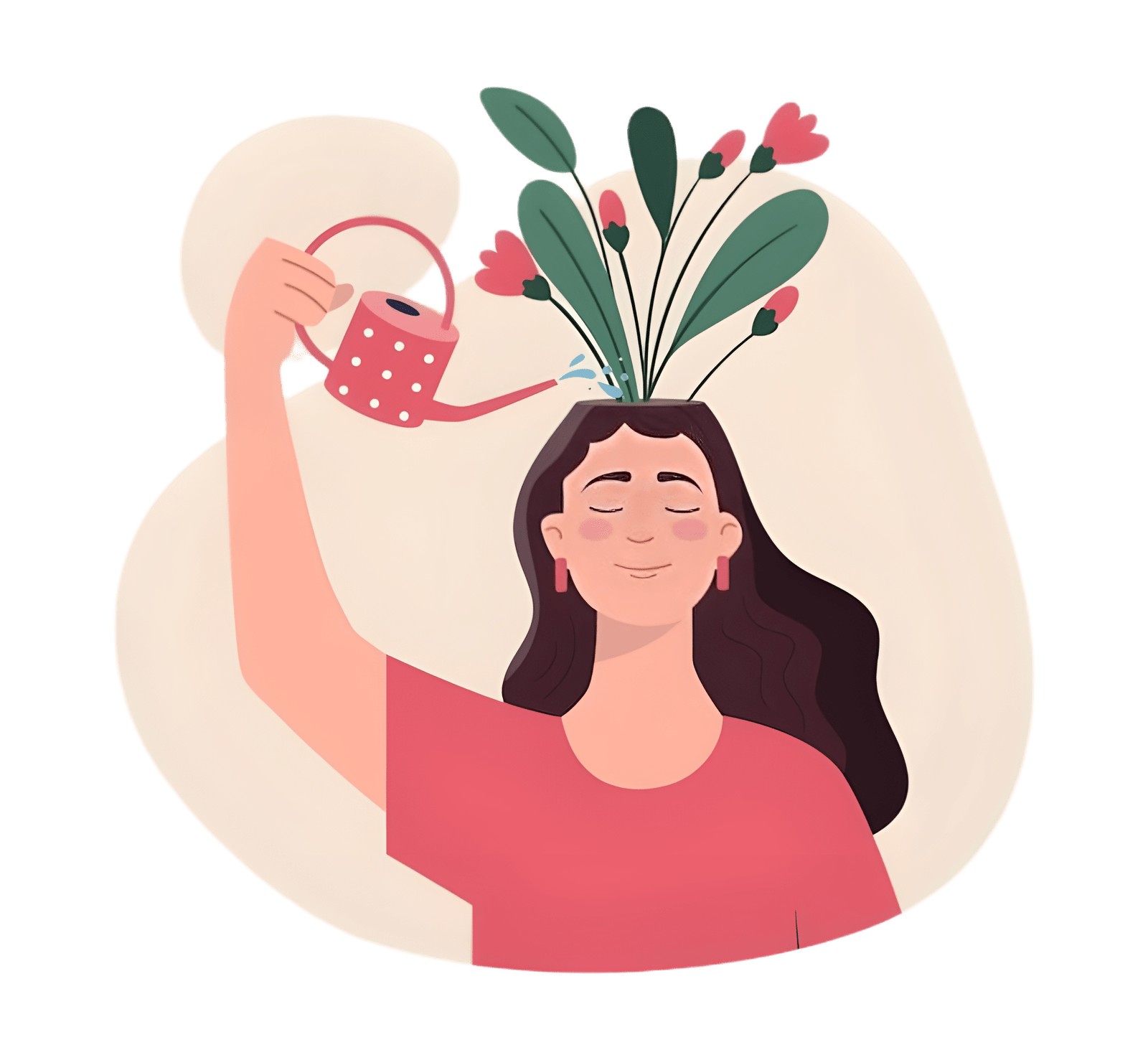
The answer lies in awareness and intentionality. Recognizing the widespread influence on our choices is the first step toward reclaiming autonomy. It doesn’t require abandoning social media or influencers but demands a conscious effort to pause and reflect before succumbing to external pressures.
Before clicking ‘buy’ or following the crowd, ask: Is this choice aligned with my authentic needs and values? Am I seeking this because it genuinely resonates, or because the digital buzz suggests I should? Understanding this is essential in preserving mental clarity, financial health, and self-identity. It is a skill worth cultivating amid a relentless stream of information and influence.
Ultimately, the most profound form of influence comes not from outside sources, but from within. When we prioritize our instincts, values, and true desires, we find freedom from external expectations. In a world overflowing with influence, the choice is yours. Choose consciously and embrace what truly fits your life – honestly, thoughtfully, and on your own terms.
This perspective invites a new kind of empowerment – one where authenticity takes precedence over popularity, mindfulness over impulse, and self-trust over approval.
References
- Li, J., & Zhou, Y. (2025). Influence of social media on consumer behavior. Scientific Research Publishing (SCIRP). https://www.scirp.org/journal/paperinformation?paperid=141251
- Clootrack. (2024). How does social media influence consumer behavior? Clootrack Blog. https://www.clootrack.com/knowledge/customer-behavior-analytics/how-does-social-media-influence-consumer-behavior